How to Style Animal Print Without Looking Costume-y
Animal print has a reputation problem. Somewhere between the 1980s and a thousand badly lit reality-TV wardrobes, leopard stopped reading as chic and started reading as trying. Which is a shame, because a well-chosen animal print is one of the most useful things you can own. It behaves like a neutral. It flatters almost everyone. And it does the job of an accessory without you having to think about accessories.
The difference between looking expensive and looking like a costume is almost never the print itself. It is everything around it.
Animal print is a neutral. Treat it like one.
This is the reframe that fixes most animal-print anxiety. Leopard is not a colour story of its own — it sits squarely in the brown family, somewhere between camel, tan and chocolate. Zebra belongs to black and white. Snake tends to sit with grey and stone.
Once you file a print under its underlying colour family, styling it gets much easier. You would not hesitate to wear a camel coat with cream trousers. Leopard obeys the same rules.
The one-statement rule
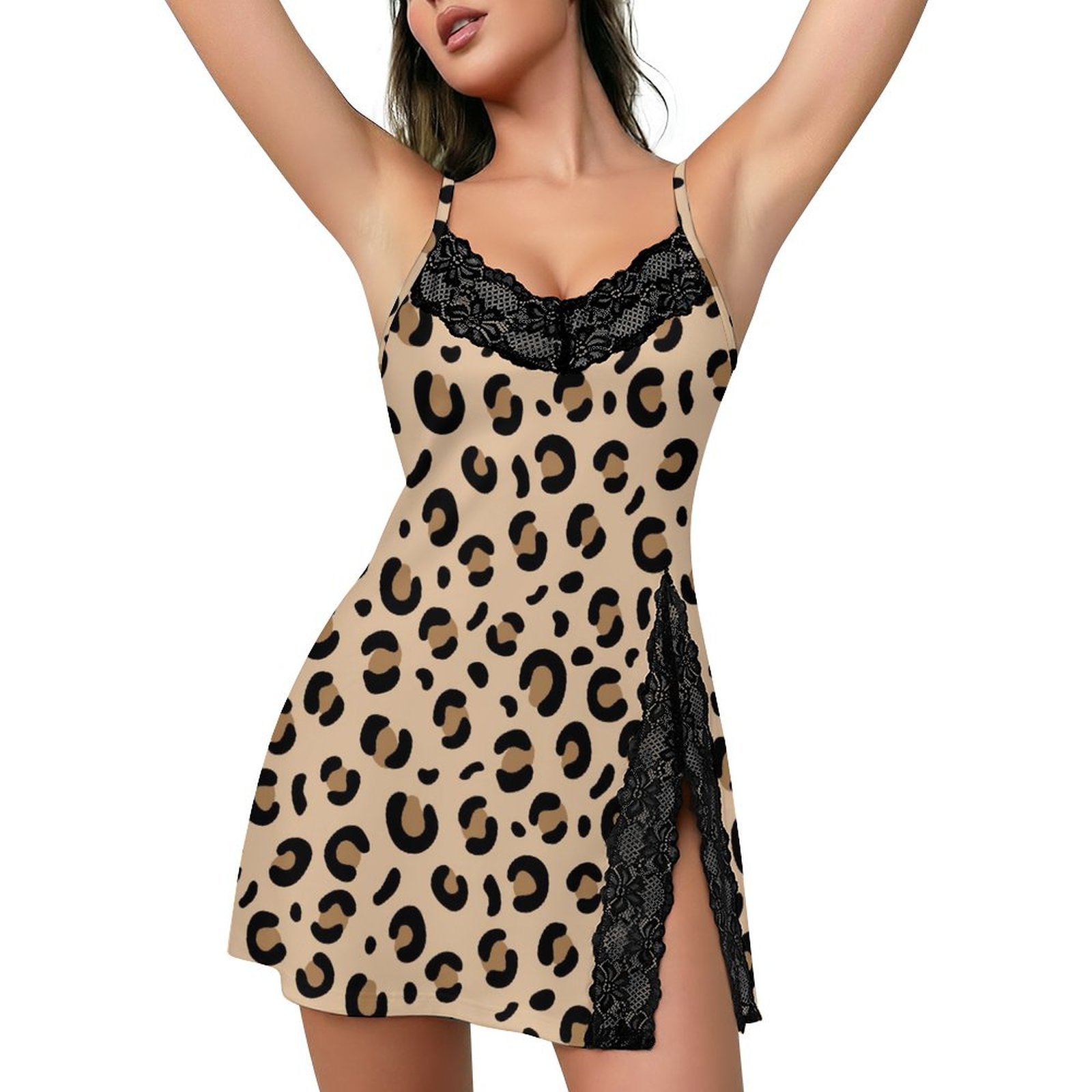
If the print is loud, everything else gets quiet. Not boring — quiet. A leopard slip with a plain tee underneath and flat sandals is a complete outfit. The same slip with statement earrings, a printed bag and embellished heels is four things competing for the same job.
We go deeper on this in building outfits around a printed statement piece, but the short version holds: one thing talks, everything else listens.
Pick your anchor colour
Every animal print has two or three colours hiding inside it. Pull one out and build the rest of the outfit from that. Here is where each print tends to land.
Black
The safest anchor and the sharpest. Black trousers or a black tee under any leopard piece reads as deliberate every time. With zebra it is almost too easy, because the print already contains it.
Cream and camel
Softer, more expensive-looking, and the reason tonal leopard outfits work. Cream against caramel leopard is the single most flattering combination in this whole category, particularly on warmer skin tones.
Denim
Indigo cools a warm print down and stops it reading as dressy. A leopard cami with straight-leg jeans is the outfit most people actually want when they say they want to wear animal print.
Chocolate and rust
The move for autumn. Tonal, rich, and it makes the print look like a considered choice rather than the only interesting thing you own.
Scale matters more than colour
This is the part most advice skips. Two leopard dresses in identical colours can read completely differently depending on how big the spots are.
Small, dense repeats
These behave almost like a textured solid from a few feet away. They are the easiest entry point, they photograph well, and they work on any body — there is no “shape” for the print to distort.
Large, sparse repeats
More fashion, more risk, and much more dependent on placement. A large repeat across a fitted bodice draws the eye exactly where the pattern is biggest. Worth knowing before you order, especially if you are between sizes — our guide to measuring yourself for clothes that run small is the right first stop.
Four outfits that actually work
1. The slip, dressed down
A leopard slip dress, a white cotton tee underneath, flat leather sandals, no jewellery. Works for lunch, school run, travel days. The tee is what stops it reading as lingerie.
2. Zebra with tailoring
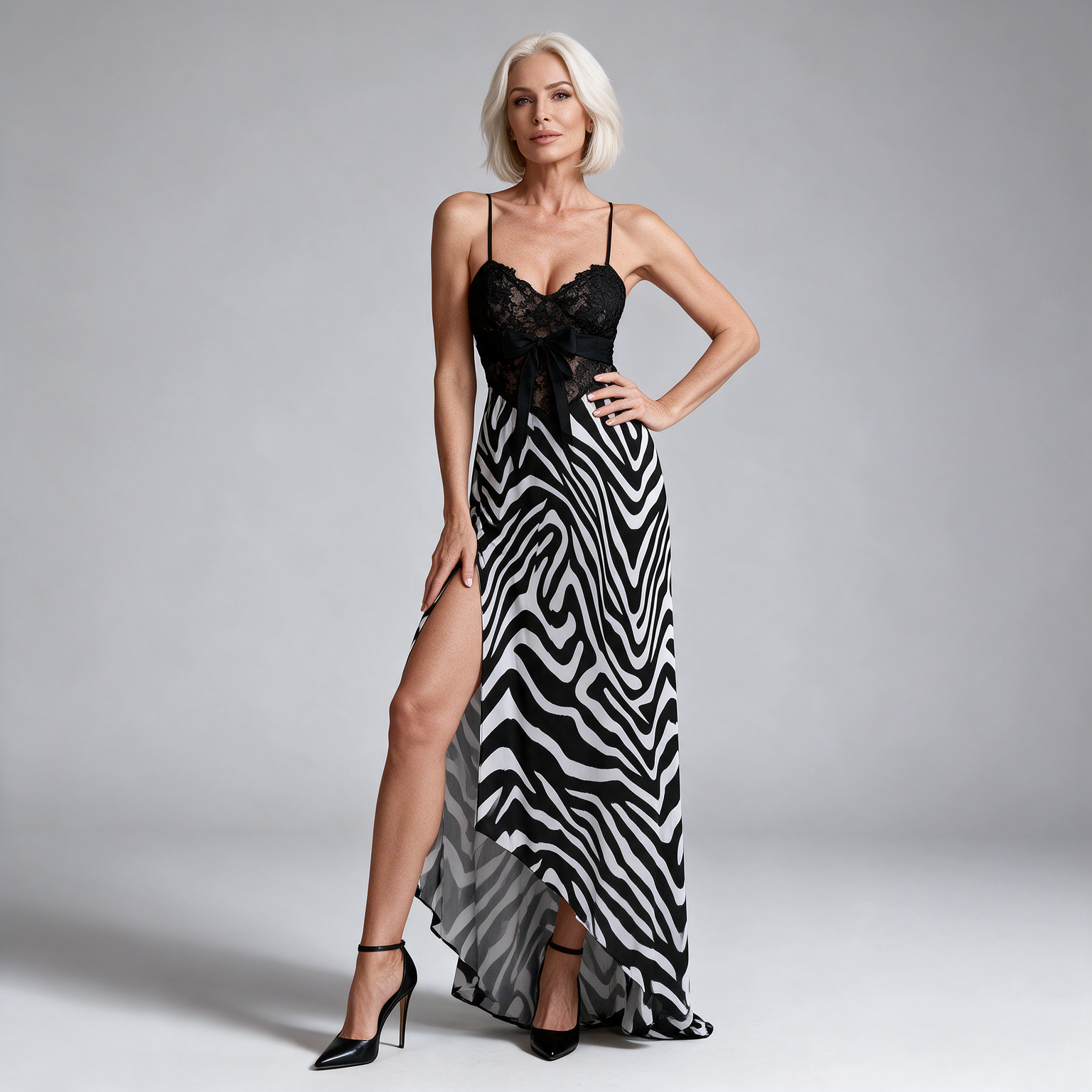
A zebra print mesh maxi with a structured blazer over the top. The sharp shoulder line does all the heavy lifting; the print stops the tailoring feeling corporate.
3. Print on print, done properly
Two animal prints can share an outfit if they share a colour family and differ clearly in scale. Small-repeat leopard top, large-repeat leopard skirt — yes. Two medium leopards fighting for attention — no.
4. The set that leaves the gym
A leopard sports bra and shorts set under an oversized linen shirt is a genuine outfit, not a compromise. The rest of our activewear is built the same way — printed hard enough to wear in daylight.

What actually reads as costume
For the record, the things that tip an outfit over are specific and avoidable:
- Head-to-toe matching print in a stiff fabric. Movement is what keeps print looking like clothing rather than upholstery.
- Print plus heavy embellishment. Sequins, studs and animal print are three statements in one garment.
- A shine the fabric has not earned. Matte and satin both work. Plastic-looking gloss does not.
- Novelty colourways. Hot pink leopard is a costume. Caramel leopard is a neutral.
- Accessories that repeat the theme. Leopard dress with leopard bag and leopard shoes is a theme, not an outfit.
Questions we get
Am I too old for animal print?
No. If anything the opposite — animal print rewards people who have settled into their own taste. What ages an outfit is not the print, it is fussiness. See our take on transitional dressing for the same principle applied to layering.
Can I wear leopard to work?
Yes, in a small repeat, in a warm neutral colourway, and in one piece rather than three. A leopard midi under a plain knit is unremarkable in almost any office.
What shoes?
Whatever colour you pulled out as your anchor. Tan, black, cream or chocolate, in a plain finish. The shoes are not the moment here.
Where to start
If you own nothing in animal print, start with one piece in a warm neutral colourway and a small-to-medium repeat — a slip, a cami or a midi. Wear it three times with things you already own before you buy a second. Our dresses are the easiest place to look, and swim is where the bolder repeats tend to live.
Every piece is printed for you when you order, so the print you see is the print you get — no dye-lot roulette. More on how that works in what made to order means for your delivery date.